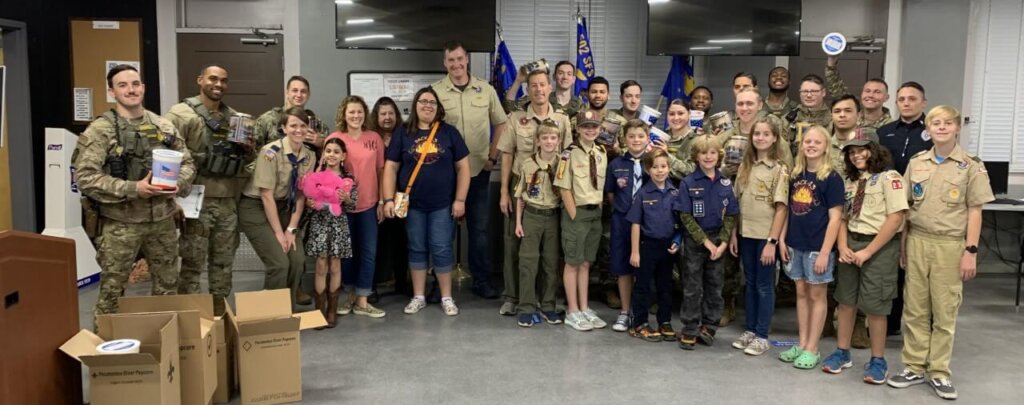
Yesterday, NPR reported on leaked documents suggesting that the U.S. government is considering ending long-standing partnerships with Scouting America. These changes, if pursued, would mean the loss of military support for the National Jamboree, the removal of Eagle Scouts’ advanced enlistment rank, and the prohibition of Scouting units meeting on military installations, including those serving overseas.
The rationale behind this proposal hinges on recent updates to Scouting America’s membership policies and concerns that the organization has moved too far from its “traditional” roots.
But this reaction misunderstands both the changes themselves and the impact that Scouting continues to have on youth—military-connected or otherwise.
Scouting’s Mission Hasn’t Changed…But the World Has
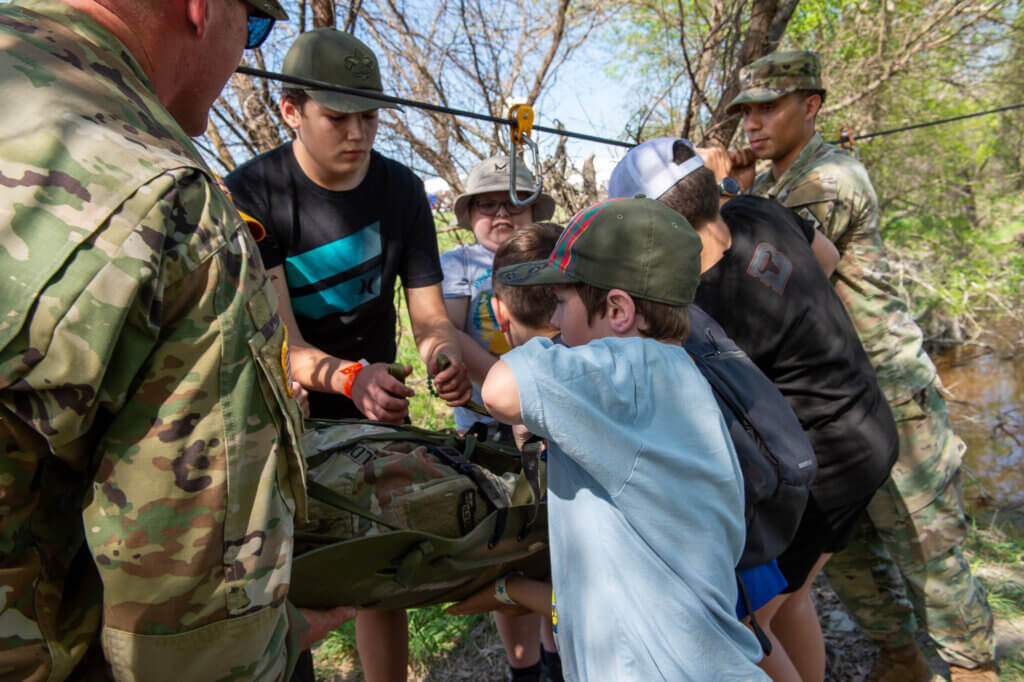
Many of today’s Scouts are the children and grandchildren of people who grew up in the era of the “old BSA.” That tradition of camping, service, self-reliance, adventure, and leadership is still the backbone of the program. Scouts still pitch their own tents, cook their own meals, lead their own patrols, and spend far more time outdoors than most of their peers.
What has changed is who has access to those experiences.
The decision to welcome girls and youth from wider backgrounds was not about becoming political—it was about living up to the words embroidered on every Scout badge: Trustworthy. Loyal. Helpful. Friendly. Courteous. Kind. Brave.
Those are not partisan values. Those are American values. They are military values. They are the values that countless veterans, service members, and former Scouts credit with shaping their character and direction in life.
Boy-Friendly Does Not Mean Boy-Exclusive
One of the misunderstandings fueling criticism is the belief that Scouting is no longer “for boys.” That is simply untrue.
Scouting remains a highly boy-friendly, boy-supportive program. The structure still provides:
- Gender-specific Scouts BSA troops (the vast number of boys’ troops and girls’ troops operate separately)
- Separate sleeping accommodations (boys and girls do not tent together, and never have, never will)
- Youth-led leadership development that remains central to the program
- Family participation for households with both sons and daughters
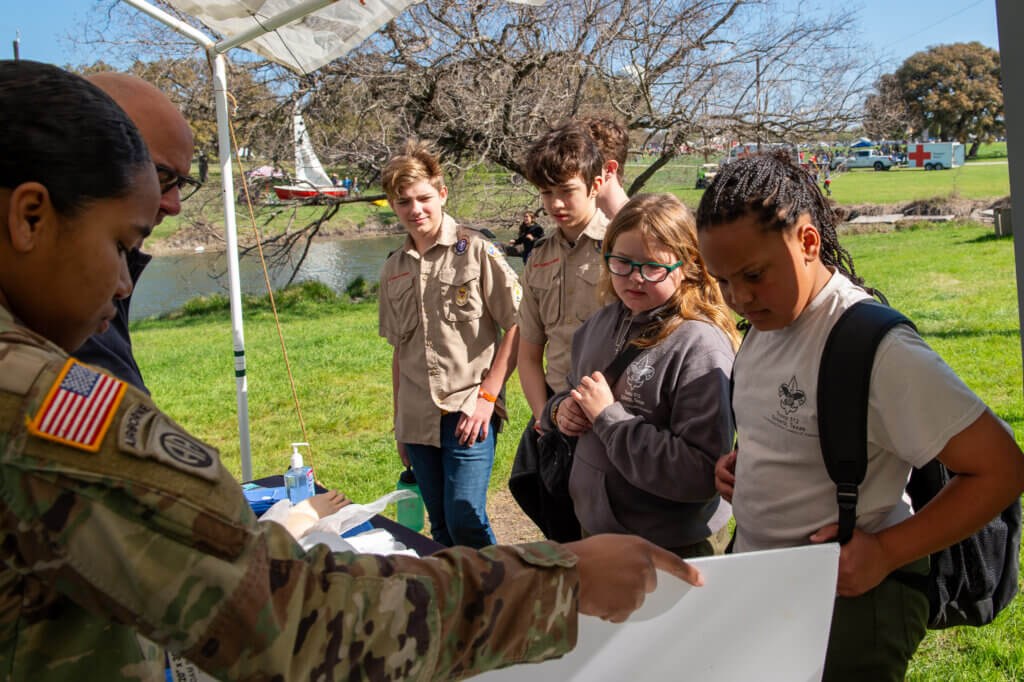
Adventure does not weaken when girls participate. Leadership does not diminish when shared with people of different backgrounds. What does diminish is the quality of a young man’s character if he grows up believing that the only worthwhile experiences are those that exclude others.
Scouting does not just welcome friendly boys. Scouting helps create them.
Military Families Rely on Scouting
For decades, Scouting has been a stabilizing force for military families—especially those who move constantly, serve overseas, or experience the unique challenges of deployment.
Ending the ability for units to meet on base would remove:
- A vital support system for military kids
- A safe, structured program that builds resilience
- Continuity during relocations
- A leadership pipeline that the Armed Forces have benefited from for generations
This would not be a blow to Scouting headquarters. It would be a blow to children.
The Eagle Scout Advantage Was Never About Politics
For many years, enlisting as an Eagle Scout meant beginning at a higher rank. This wasn’t because of political alignment. It was because the military recognized the practical, measurable leadership skills Eagles brought with them.
Discipline. Initiative. Problem-solving. Service. Teamwork.
None of those competencies disappear because the organization now includes girls and a wider range of youth. If anything, Scouts today must learn to lead peers who reflect the diversity of the real world—exactly the environment our military operates in.
 Tradition Is Only Strong When It’s Used, Not Preserved in Glass
Nostalgia is powerful. Many who grew up in Scouting remember it as a haven—a place where they learned hard skills, confidence, and leadership in ways school or sports never could.
But preserving tradition does not mean freezing it in time.
A program that refuses to grow is a program that eventually dies.
A program that adapts its membership while keeping its core mission is a program that remains relevant.
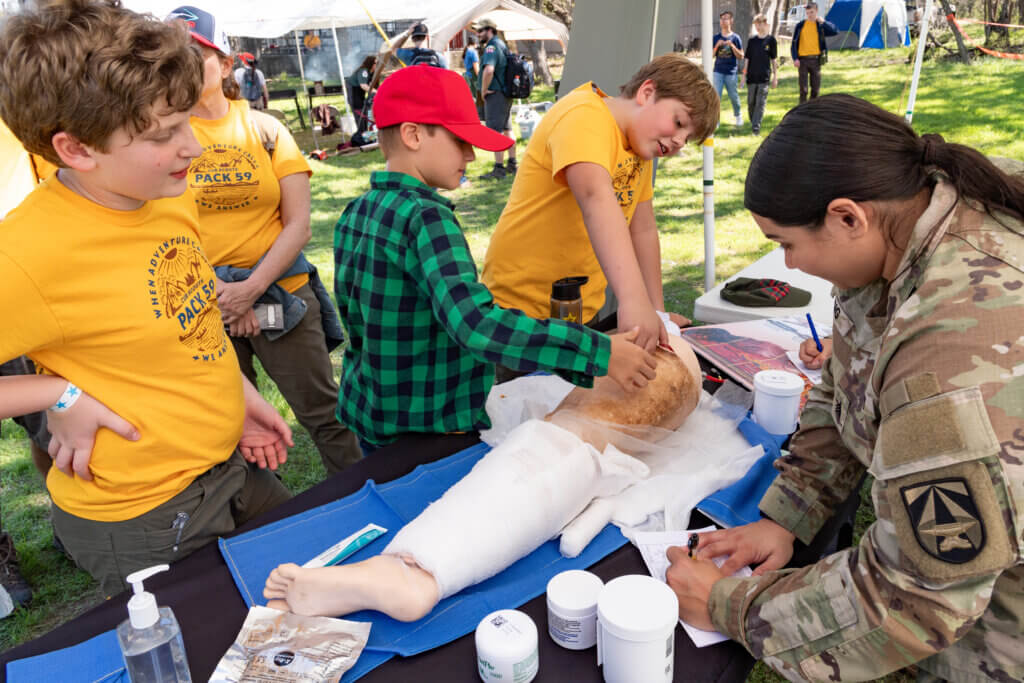
Today’s Scouts still learn knots, still hike miles, still cook over fires, still serve their communities, still lead their peers, and still recite the same Oath and Law spoken decades ago. The difference is simply who stands beside them—not what they are learning, not what they are doing, and not what they are becoming.
The Real Cost of Severing Ties
If the federal government ends its relationship with Scouting, the consequences will not fall on adults debating policy. They will fall on:
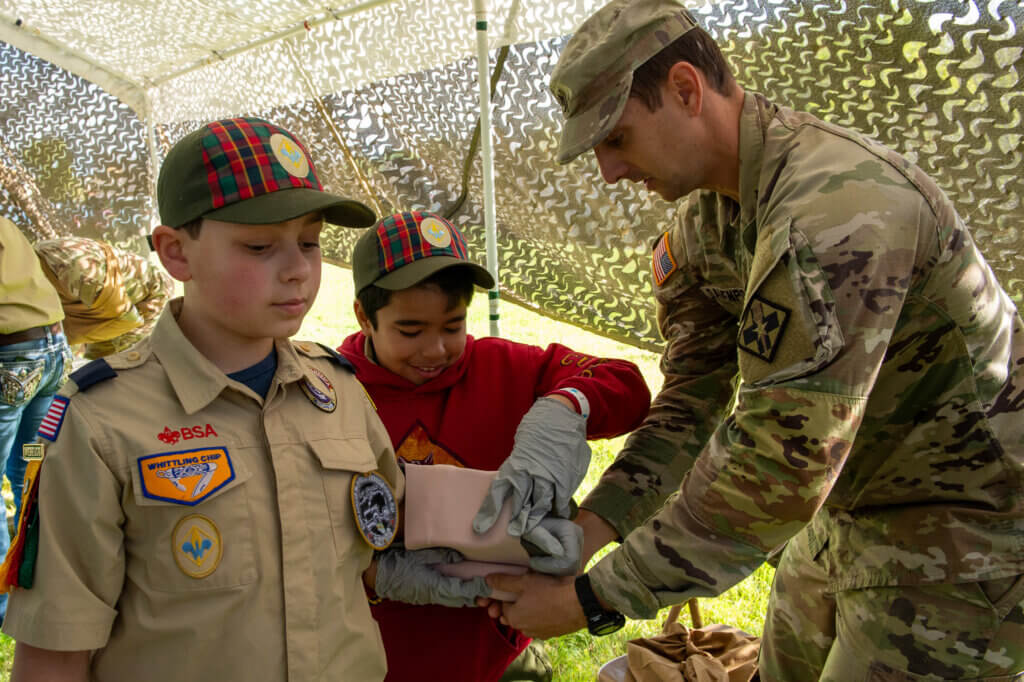
- Military kids who lose access to a stabilizing community
- Overseas families who rely on Scouting for social and educational development
- Future service members who miss out on early character and leadership training
- Youth who may never experience camping, survival skills, or civic engagement
This is not a culture war issue.
This is a youth development issue.
This is an American leadership issue.
A Final Thought
Scouting America has not abandoned its roots. It has broadened its reach to ensure that more young people can benefit from the values many of us grew up with. The outdoors, service, leadership, and moral grounding are still at the core of everything we do. Whether critics realize it or not, Scouting is producing the kind of young men and women we need in the next generation—responsible, capable, respectful, community-minded, and strong.
Those qualities should not disqualify them from military partnership. They should make them indispensable.
Scouting Needs Your Voice
Reach out to your senators and congressional representatives as soon as possible. Ask them to reject this misguided and short-sighted proposal, and remind them how essential Scouting is to the development, stability, and resilience of young people…particularly those in military communities. Contact information for your representative are found at these links: House and Senate.

